

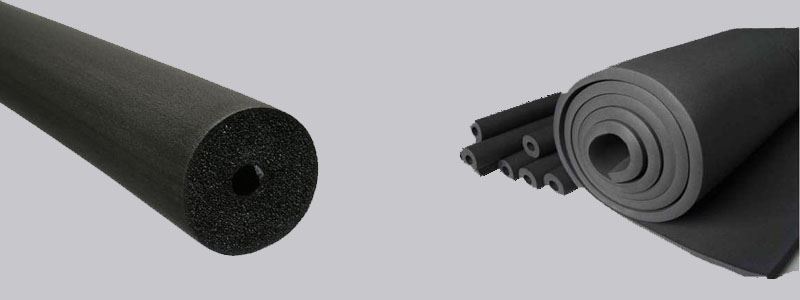
Construction projects often run under tight budgets, and even small cost changes can affect the outcome. Insulation plays a key role in both material and labor expenses. Choosing the right foam insulation material supplier can help contractors control costs while maintaining quality. A reliable supplier supports smoother operations and reduces unnecessary spending across the project.
Consistent Material Quality Cuts Rework
Material quality has a direct impact on installation. When insulation products are consistent, contractors can complete the job without interruptions. Poor-quality foam may lead to gaps, uneven coverage, or damage during application. This often results in rework, which increases labor costs and delays progress. A trusted supplier provides dependable materials that reduce waste and limit the need for corrections. This helps contractors stay on schedule and avoid extra expenses.
Bulk Pricing Lowers Material Costs
Bulk purchasing offers clear cost advantages when managed well. Contractors can reduce overall expenses by planning orders with a reliable supplier.
- Lower Unit Cost: Buying in bulk reduces the per-unit price, helping to control material expenses.
- Stable Pricing: Consistent rates make it easier to estimate and manage project budgets.
- Better Cost Planning: Predictable pricing helps contractors avoid sudden price increases.
By using bulk pricing wisely, contractors can keep material costs within budget without affecting quality.
On-Time Deliveries Prevent Delays
Timely delivery of insulation materials plays a key role in keeping projects on track. Delays can lead to added costs and disrupt schedules.
- Reduced Downtime: Workers can continue tasks without waiting for materials.
- Steady Progress: Projects stay on schedule, avoiding timeline extensions.
- Lower Emergency Costs: Fewer last-minute purchases at higher prices.
Reliable delivery support helps contractors maintain efficiency and avoid unnecessary spending.
Right Product Selection Avoids Overspending
Choosing the correct insulation product is important for both performance and cost control. Suppliers can guide contractors toward better decisions.
- Correct Material Choice: Ensures the insulation suits the project’s needs.
- Controlled Usage: Prevents overuse or misuse of materials.
- Avoids Extra Spending: Eliminates costs on products that do not add value.
With the right guidance, contractors can achieve results without incurring unnecessary costs.
Reduced Storage and Handling Expenses
Managing on-site insulation materials can incur additional costs if not handled properly. Planned supply reduces these issues.
- Less Storage Need: Smaller, scheduled deliveries reduce space requirements.
- Lower Damage Risk: Materials are less likely to be exposed or mishandled.
- Reduced Handling Costs: Fewer resources needed for storage and movement.
Efficient supply planning helps contractors reduce additional logistics expenses.
Conclusion
Working with a reliable foam insulation material supplier helps contractors manage costs at every stage of a project. From reducing waste and avoiding delays to offering better pricing and guidance, the right supplier makes a clear difference. By focusing on quality, timing, and proper support, contractors can complete projects more efficiently while keeping expenses under control.




More Stories
Home Insurance Guide: Protecting Jewellery and Valuable Possessions
From Community Service to Exequatur: The Real Path to an Honorary Consul Appointment
Southern Odisha’s Service Contract – What TPSODL Owes Its Paying Consumers